

Essential Tips for Caring for an Elderly Loved One with Love and Dignity
As our parents, grandparents, or close relatives age, they may face physical, mental, and emotional challenges that require extra attention and care. Being a caregiver for an elderly loved one is both a privilege and a responsibility, and while the journey can be demanding, it’s also an opportunity to deepen your relationship and make a meaningful difference in their life. Whether you are providing full-time care or helping with certain tasks, here are some essential tips to ensure that you’re caring for your elderly loved one with love, dignity, and respect.
1. Recognize the Importance of Independence
One of the most important aspects of elderly care is maintaining your loved one’s independence. While they may need assistance with certain tasks, it’s essential to encourage them to do as much as they can on their own. This helps preserve their self-esteem and provides a sense of purpose.
How to Encourage Independence:
- Allow them to make choices: Let them decide on simple matters, like what to wear, what to eat, or when to go for a walk. This reinforces their sense of control over their life.
- Provide support, not control: Help with tasks where necessary but avoid taking over completely. Instead, offer your assistance in a way that encourages them to be involved.
- Adapt tasks to their abilities: Modify tasks (like cooking or cleaning) so that they can do them with minimal assistance, and make sure tools or equipment are accessible.
2. Create a Safe Home Environment
Seniors are often more vulnerable to falls, accidents, and injuries, so ensuring their home is safe and comfortable is crucial. Taking the time to remove hazards and adapt their living space can prevent many accidents and improve their quality of life.
Home Safety Checklist:
- Remove fall hazards: Clear walkways of clutter, secure loose rugs, and install grab bars in the bathroom, especially near the toilet and in the shower or bathtub.
- Install better lighting: Ensure that hallways, stairs, and bathrooms are well-lit, especially for seniors who may have vision difficulties. Consider using nightlights for added security during the night.
- Make use of adaptive devices: Consider tools like raised toilet seats, shower chairs, or walkers to make daily activities easier and safer.
3. Focus on Proper Nutrition
Proper nutrition is vital for seniors, especially those who are managing chronic conditions or recovering from an illness. Many elderly people experience changes in appetite or difficulty chewing and swallowing, which can impact their nutrition. It’s important to help them maintain a balanced diet that meets their unique needs.
Tips for Healthy Eating:
- Prepare easy-to-eat meals: If they have trouble with chewing or swallowing, opt for soft, well-cooked foods, soups, smoothies, or pureed meals that are easier to digest.
- Monitor hydration: Seniors are at greater risk of dehydration. Encourage them to drink plenty of water throughout the day and offer fluids like tea or smoothies.
- Ensure a balanced diet: Make sure meals include a variety of vegetables, fruits, lean proteins, and whole grains. Work with their healthcare provider to understand any specific dietary restrictions due to medical conditions.
4. Assist with Medication Management
Many elderly individuals take multiple medications to manage their health conditions. Keeping track of prescriptions and ensuring they’re taken correctly can be overwhelming. As a caregiver, it’s essential to help manage their medication schedule to ensure they’re receiving the proper treatment.
Medication Management Tips:
- Create a medication calendar: Use a chart, a smartphone app, or a pill organizer to track the medication schedule. This can help ensure they take their medications on time.
- Monitor for side effects: Keep an eye out for any side effects or changes in their health that might be caused by medications, and communicate any concerns with their doctor.
- Make sure refills are timely: Keep track of when medications need to be refilled to avoid running out, and make sure prescriptions are regularly updated by their healthcare provider.
5. Prioritize Emotional Health
Elderly individuals often face emotional challenges, such as loneliness, depression, or anxiety. It’s important to not only care for their physical health but also their emotional and mental well-being. Social isolation can significantly impact a senior’s quality of life, so staying connected and involved in their emotional care is crucial.
How to Support Emotional Health:
- Encourage socialization: Help them stay connected with friends and family through regular phone calls, video chats, or in-person visits. Senior centers or local community groups often offer activities and companionship.
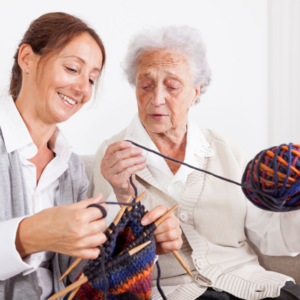
- Engage in activities they enjoy: Whether it’s watching a favorite TV show, reading together, or working on hobbies like knitting or gardening, staying engaged with their passions can lift their spirits.
- Listen to their concerns: Sometimes, elderly people just need someone to talk to. Be patient and attentive when they share their thoughts or worries, offering reassurance and empathy.
6. Respect Their Dignity
Respect is one of the most important things to remember when caring for an elderly loved one. Aging can be a humbling experience, and many seniors may feel a loss of autonomy or control over their lives. Be sensitive to their emotions and always approach them with kindness and understanding.
Ways to Respect Their Dignity:
- Avoid infantilizing: Treat your loved one as an adult, not as a child. Avoid using a tone or language that could make them feel infantilized or powerless.
- Involve them in decision-making: Whenever possible, include them in decisions about their care. Ask for their input on things like their daily routines, medical treatments, or personal preferences.
- Maintain privacy: Respect their need for privacy, especially when it comes to personal care. If you’re assisting with activities like bathing or dressing, always make sure they’re as comfortable and private as possible.
7. Look After Your Own Well-Being
Caregiving can be physically and emotionally exhausting, and it’s easy to forget your own needs in the process. Remember, in order to care for your loved one effectively, you need to take care of yourself too. Don’t hesitate to seek help or take breaks when necessary.
Self-Care for Caregivers:
- Take breaks: Even just a few hours of respite can help you recharge. Ask family members, hire professional help, or explore adult day care services to give yourself a break.
- Reach out for support: Joining a support group for caregivers can provide emotional relief and a sense of community. Talking to others who understand your challenges can make a big difference.
- Set realistic expectations: Understand that caregiving is a demanding job, and you don’t need to be perfect. Set reasonable goals and ask for help when you need it.
Conclusion
Caring for an elderly loved one requires patience, dedication, and compassion. By respecting their autonomy, creating a safe environment, and prioritizing their physical and emotional well-being, you can ensure that they live their golden years with dignity, comfort, and love. At the same time, don’t forget to take care of yourself, so that you can be the best caregiver possible. It’s a journey that requires support from family, friends, and professionals, but with your love and attention, your elderly loved one will feel valued and cared for every step of the way.